This page is also a slide deck. Its front matter lists the slides output format, so Hugo writes slides.html next to the article, and the line under the title links to it. The deck shows the same content, cut into slides by reveal.js.reveal.js 6, loaded from a CDN with its hash checked, or served by the site with params.selfHosted.
Writing slides
Each ## heading starts a slide, and so does a thematic break (---) for a slide without a heading. Everything else is the theme’s Markdown and shortcodes:
- sidenotes and margin notes stay in the margin of their slide;A margin note on a slide.
- figures, tables and listings keep their numbers;
- math, theorems and citations work as in the article.
Add {.fragment} on the line after a paragraph or a list to show it one step later.
A slide without a heading: one idea, set large enough to be read from the back of the room. “Above all else show the data.”Edward R. Tufte, The Visual Display of Quantitative Information, 1983.
Math on a slide
The binomial theorem, with : .
A figure
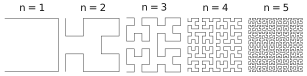
Figure 1 sits in the text column, its caption in the margin.
Options
The deck takes reveal.js options from params.slides and from the page’s front matter slides (this page: transition: slide):
outputs: ["html", "slides"]
slides:
  transition: slide
  slideNumber: false
Keys: ← → to move, Esc for the overview, f for full screen, s for the speaker notes.